
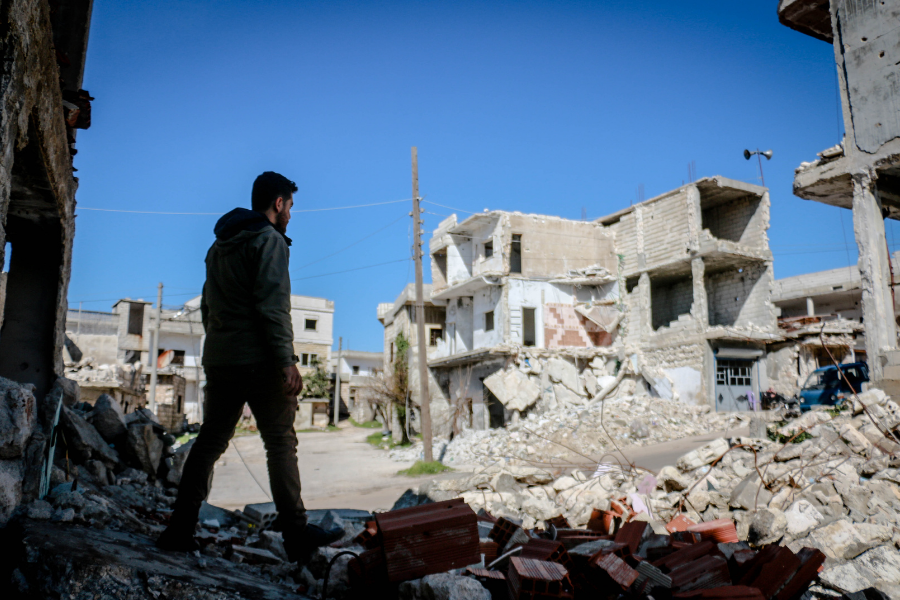
In immigration, “prevention” is rarely about avoiding conflict entirely. It’s about reducing legal, operational, and personal risk that conflict—whether geopolitical, social, workplace, or community-based—creates for migrants, employers, and families. When tensions rise, immigration status can become fragile: documents are questioned more aggressively, deadlines are missed, travel becomes uncertain, and vulnerable people may disengage from services out of fear.
A prevention mindset helps both individuals and corporations stay compliant, protected, and prepared—before a problem escalates into detention risk, loss of status, business disruption, or forced separation.
1) Treat immigration status as a risk asset, not an afterthought
In high-tension environments, small administrative gaps can have outsized consequences. Prevention starts with a simple principle: keep the status “clean” and evidence-ready.
Practical actions:
- Track expiry dates and renewal windows (permits, visas, passports)
- Keep digital and physical copies of key documents
- Maintain updated addresses and contact details with authorities where required
- Avoid “gray zone” activities (informal work, inconsistent declarations)
For corporations, this means building standardized compliance calendars, clear owner-accountability (HR, Mobility, Legal), and internal escalation routes when renewals or documentation are at risk.
2) De-escalation begins with documentation discipline
Conflict often triggers more frequent checks—by police, border agents, employers, landlords, schools, or service providers. The preventive strategy is to make verification easy.
Best practices:
- Carry lawful ID where legally required (or keep readily accessible copies if safer)
- Maintain proof of legal entry, residence, and work authorisation
- Keep a clean record of employment contracts, payslips, tax/social security contributions
For employers and institutions, prevention means having auditable HR and mobility files, consistent onboarding, and documented right-to-work checks—so decisions don’t become reactive under pressure.

3) Manage mobility exposure: travel, borders, and “wrong place/wrong time” risk
Potential conflict environments often produce sudden changes: route closures, airline requirements, intensified border screening, or policy shifts. Prevention means planning mobility as a controlled variable.
Practical actions:
- Avoid discretionary travel when renewals are pending
- Keep proof of appointment/renewal submission and any legal stay extensions
- Prepare a “travel pack” (status documents, contact numbers, letters from counsel/employer)
- For employers, pre-approve fallback routes and “no-travel” triggers for at-risk staff
Prevent family separation through dependency planning
Conflict amplifies the risk of separation—especially for mixed-status families. A prevention approach maps dependencies early.
Key steps:
- Ensure family members’ documents and permissions are aligned
- Keep evidence of relationship and dependency updated (cohabitation, school records, civil records)
- Prepare consent letters for minor travel (where relevant) and guardianship contingencies
- For companies, incorporate family support into mobility policies (school continuity, spouse status, emergency relocation playbooks)
5) Consider a second residence in a safe jurisdiction as strategic resilience
Having a second home in a stable, rule-of-law country can be a powerful preventative measure in a volatile environment. It gives individuals and families a legal “exit ramp” should conditions deteriorate—due to political instability, sudden border restrictions, civil unrest, or concerns about personal safety. Beyond physical security, a second home can protect continued education, access to healthcare, banking stability, and the ability to continue working internationally. In practice, it’s less about “leaving” and more about preserving options when those options become limited.
From a safety standpoint, Portugal is frequently ranked among the world’s most peaceful countries, which is why it is often included in risk-diversification discussions. For globally mobile talent and multinational teams, choosing “safe hubs” can reduce exposure and improve continuity planning.

6) Use flexible residence pathways as a medium-to-long-term “Plan B”
For many internationally mobile profiles, the goal is not an immediate move, but optionality—a compliant status that can be activated if risk increases. This is where flexible residence programs, such as Portugal’s Golden Visa/ARI structure (where applicable), are sometimes used as a medium-to-long-term contingency plan: maintaining lawful ties to a stable jurisdiction while keeping day-to-day life elsewhere.
For corporations, this concept translates into a broader strategy: diversify critical roles across jurisdictions, avoid “single-point-of-failure” staffing, and ensure key employees have realistic, lawful mobility alternatives if a market becomes temporarily inaccessible.
7) Register with embassies and consulates to receive official instructions fast
Another simple but often overlooked preventive step is to register with your home country’s embassy or consulate in your country of residence (or, at minimum, ensure they have updated contact details). During crises, embassies and consulates are key channels for official security alerts, evacuation information, documentation support, and practical instructions (e.g., curfews, airport access, proof-of-identity guidance). Being registered helps ensure you receive verified updates quickly, instead of relying on rumours or fragmented social media posts.
For employers, encouraging (or facilitating) registration—especially for staff deployed abroad—can materially improve duty-of-care readiness.
8) Information hygiene: verified sources, and protection against fake news and scams
Prevention also requires information discipline. In tense environments, misinformation spreads fast—often mixed with scams targeting migrants (fake “appointments,” paid “expedite” services, forged documents, or impersonation of authorities). A strong rule of thumb is to prioritize official sources (government portals, embassies/consulates, and reputable institutions), cross-check critical claims with more than one reliable channel, and be cautious with urgent messages that demand immediate payment or personal data.
For companies, this can be operationalized through a single internal channel (HR/Legal/Mobility) that shares verified updates, standard guidelines, and approved providers — reducing the risk of employees acting on fraudulent or incorrect instructions.
Final considerations
Prevention in potentially conflict-ridden contexts is not just about “avoiding problems.” It’s about building resilience: impeccable documentation, controlled mobility, aligned family status, second home options, consular registration, and reliable information channels. For individuals, this reduces the risk of conflict escalating into a migration crisis. For businesses, it reinforces continuity, compliance, and the duty to protect—precisely when conditions change most rapidly.
This article does not replace consulting the relevant legislation, nor does it hold Prime Legal responsible.

